Summary
The Problem
When I talked to webcomic readers, they all found new comics on Reddit not in any reading app. That's a significant failure of every platform in this space. And when I asked creators what they knew about their readers, the answer was almost nothing. Two different user types, two completely broken experiences, both pointing at the same gap.
The Solution
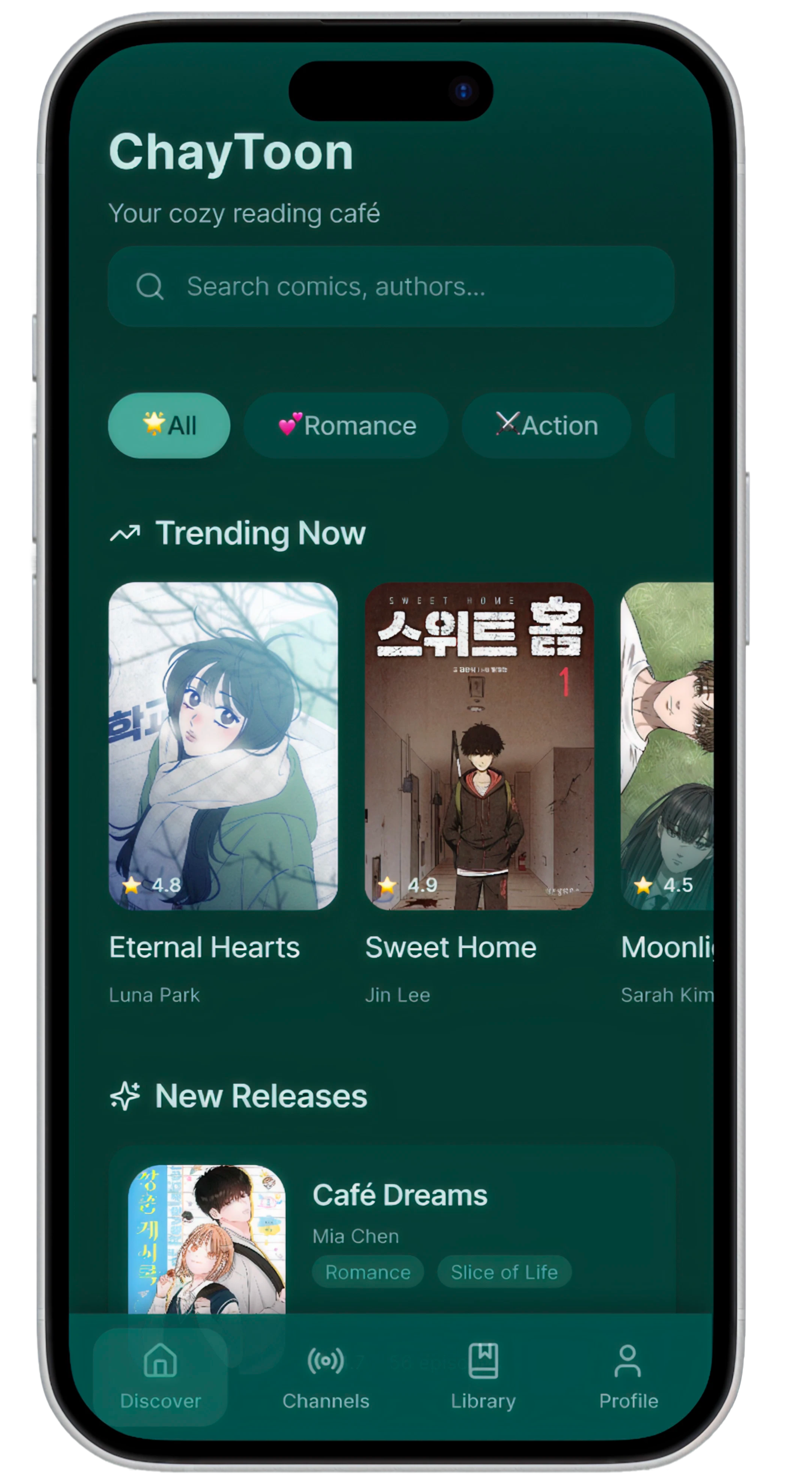
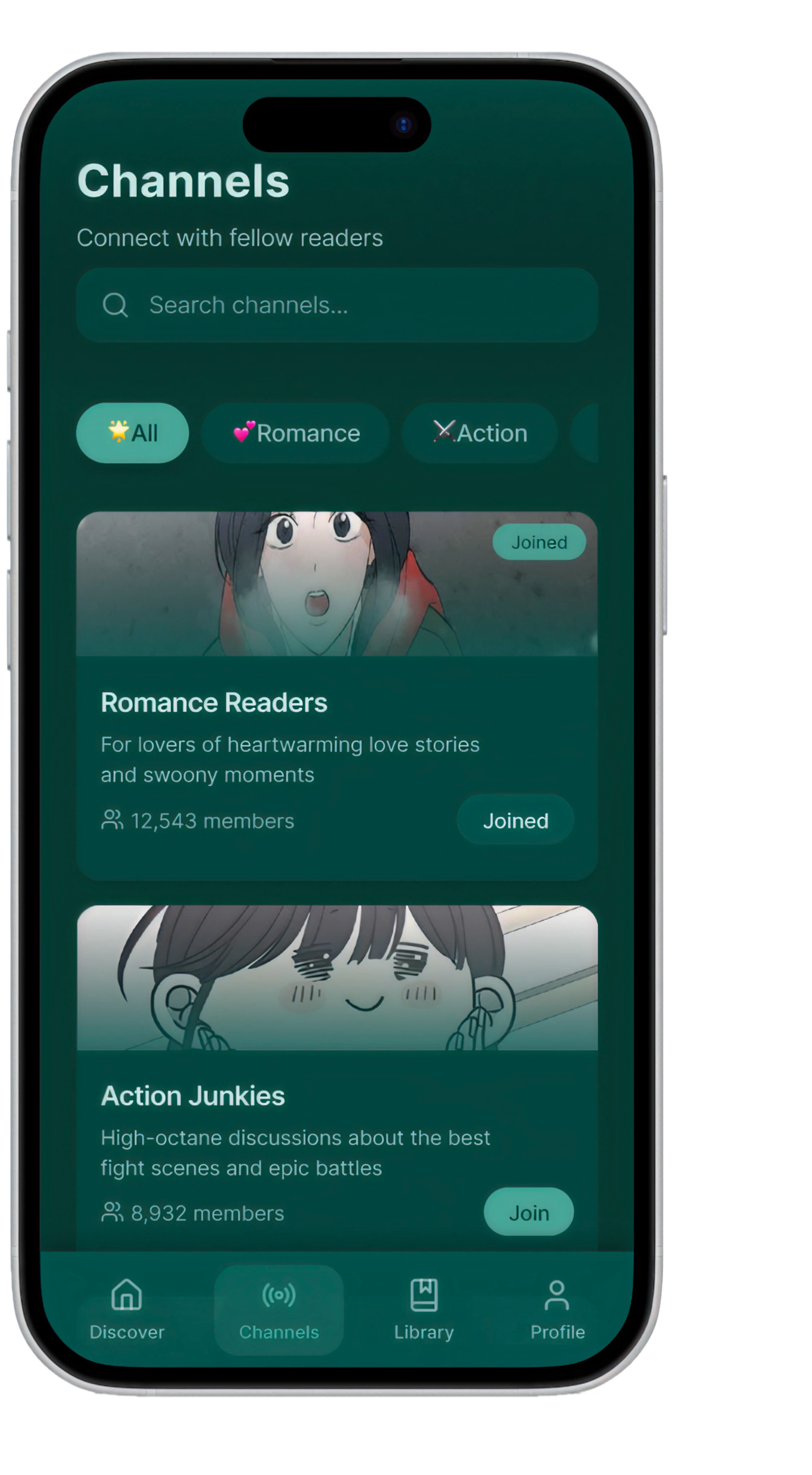
I designed ChayToon with two distinct modes one for readers, one for creators. Readers get contextual discovery that keeps them in the app instead of sending them to Reddit. Creators get real analytics so they're not publishing into a void. The key decision was keeping both on shared infrastructure one product, not two.
Role
- Lead UX Designer
- UX Researcher
Timeline
2026- 10 user interviews
- Research to wireframes
- Full IA + prototype
Tools
- Figma & FigJam
- Notion
Contributions
UX Researcher
- Ran 10 semi-structured interviews split evenly across readers and creators
- Built separate affinity maps for each user type, then found the overlaps
- Analyzed Shonen Jump, Webtoon, and WebComics to understand where the market was failing
- Turned every key finding into a specific design requirement before opening Figma
UX Designer
- Designed the full IA for both user types one shared structure, two distinct experiences
- Built the mode-switching model so each side had their own space without splitting into two products
- Took everything from wireframe to interactive prototype
- Checked every design decision against both personas if it didn't serve one, I went back
Solution
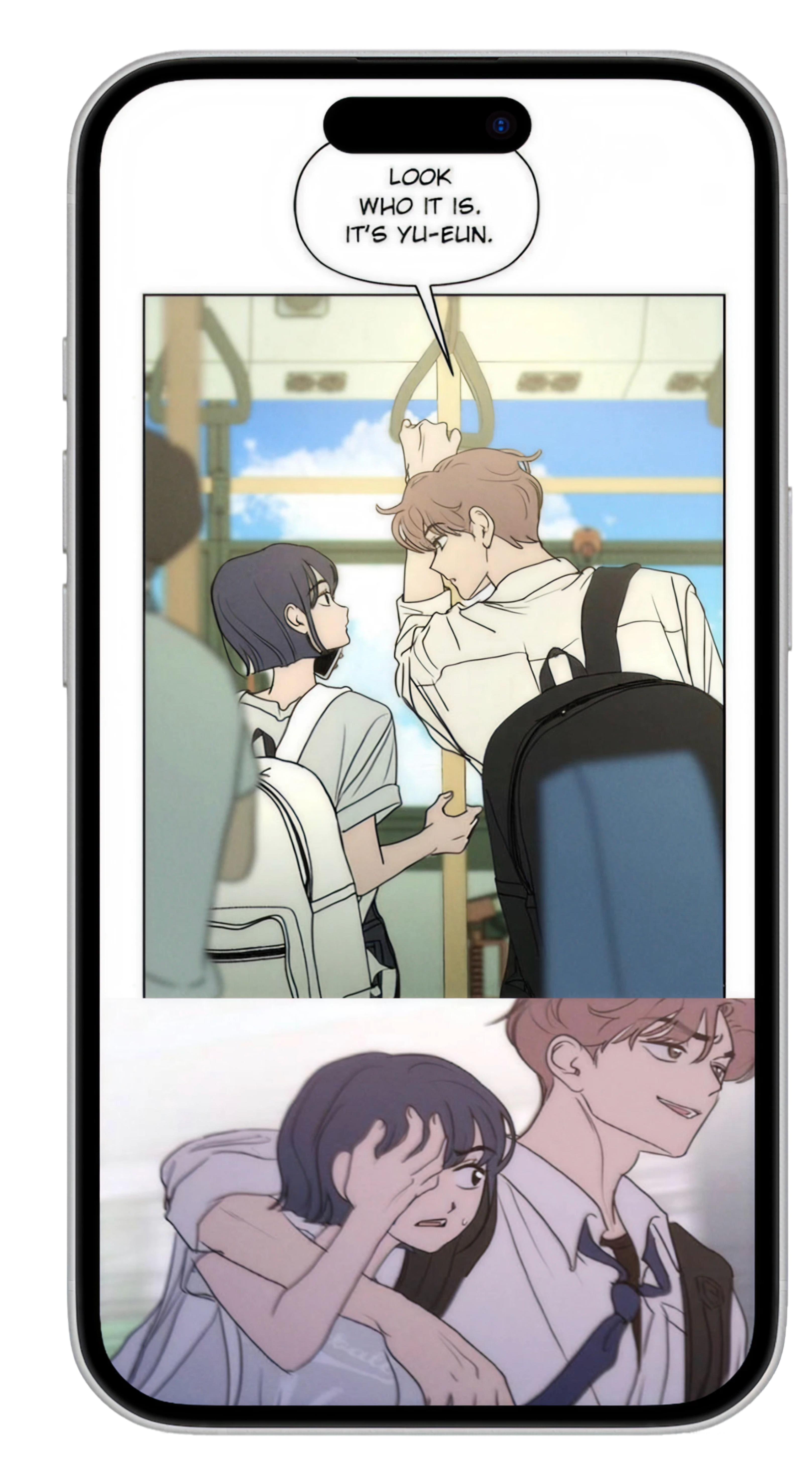
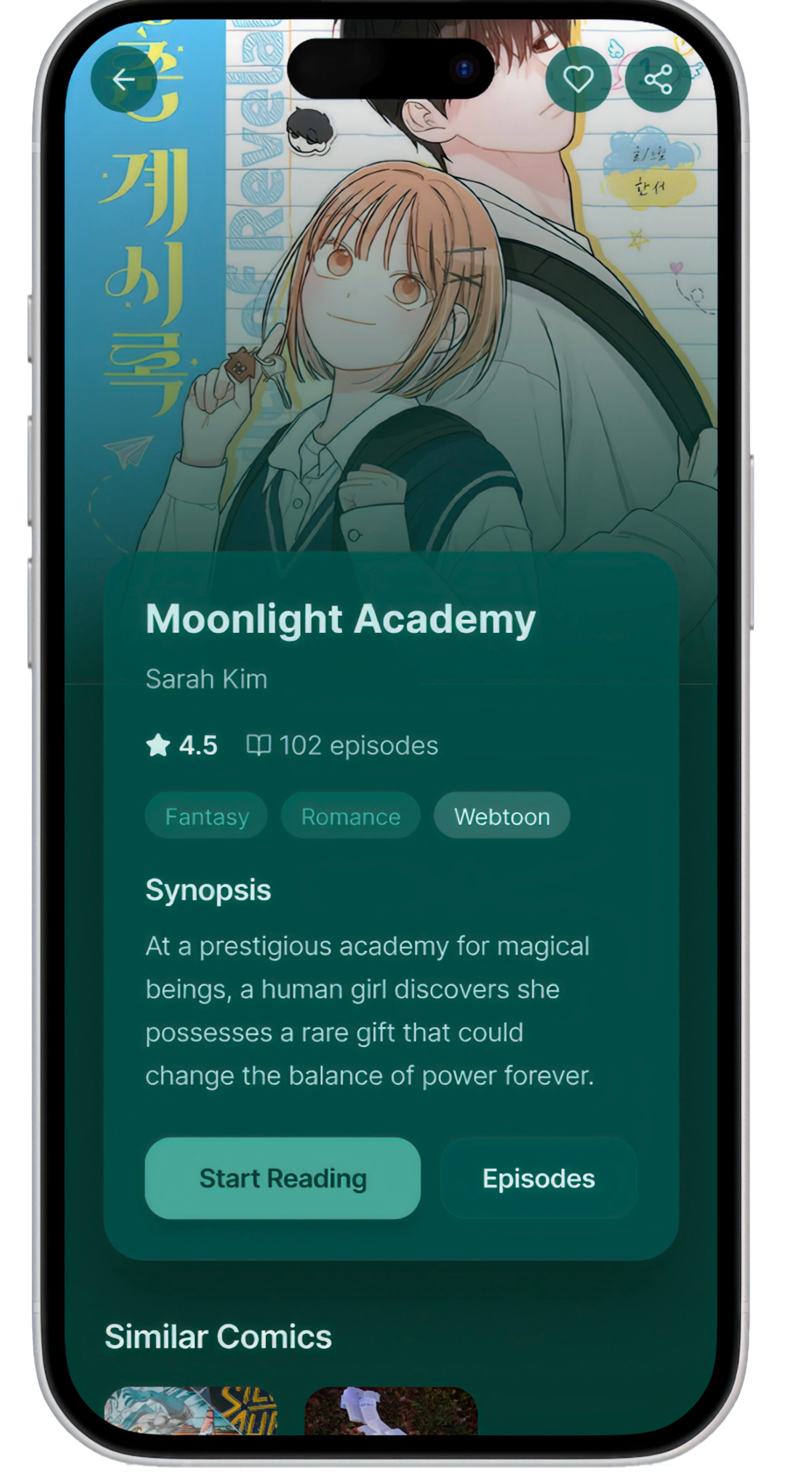
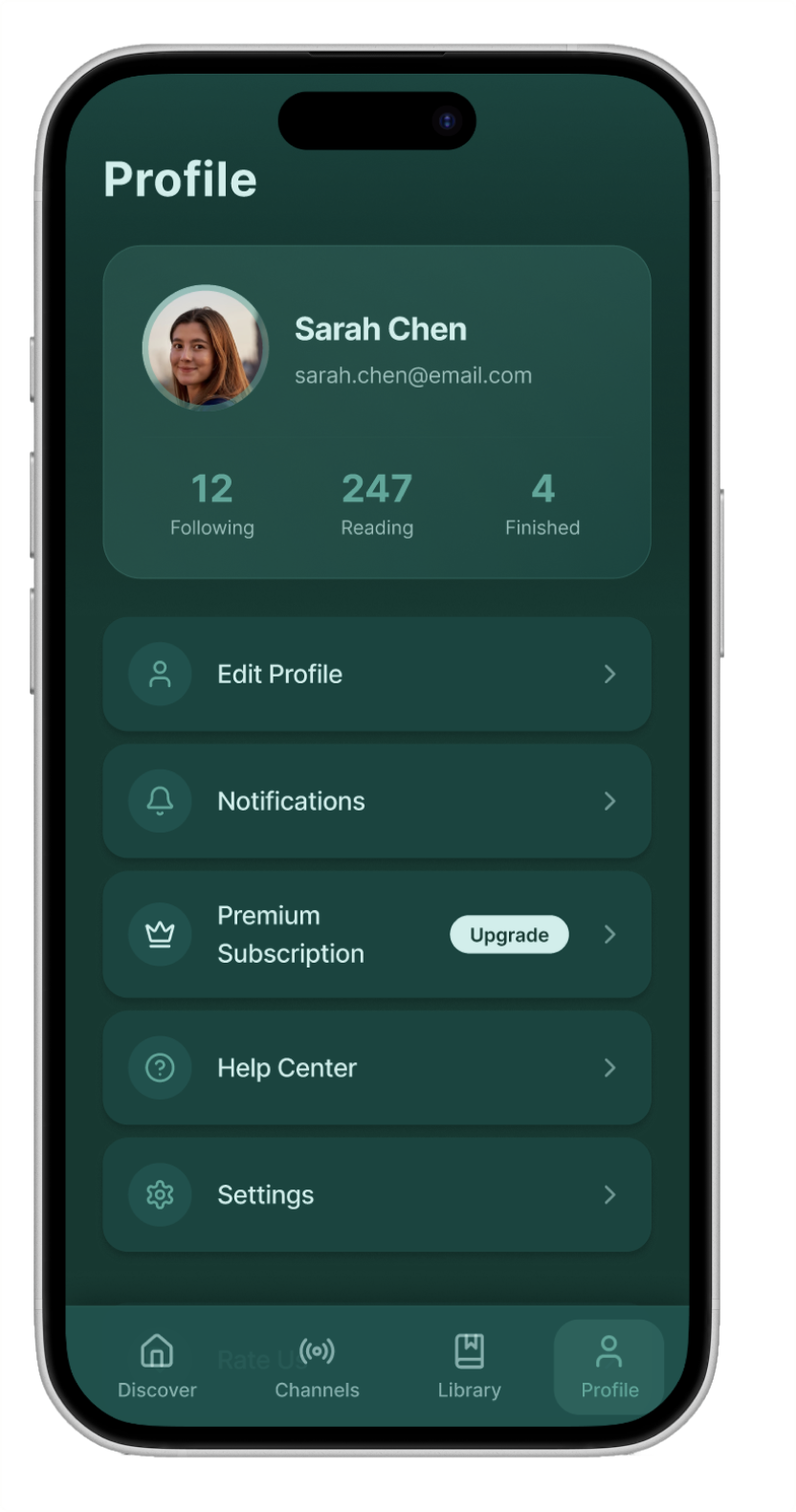
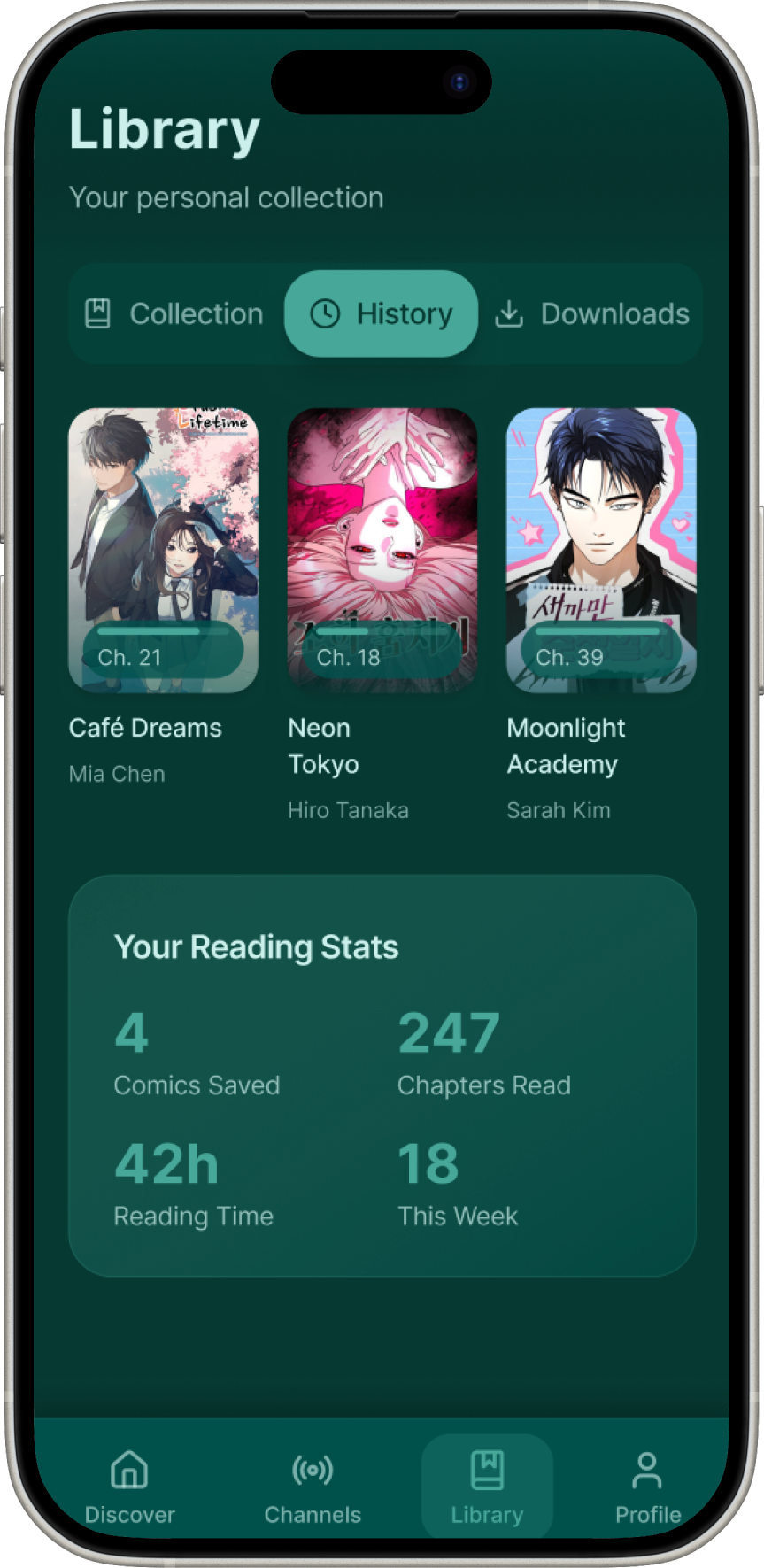
High-Fidelity Screens
These are the screens after the full research and IA process. The reader flow and the creator flow each one started as a problem I found in the interviews, not a feature I thought would be nice to have.
Challenge
The hardest part of ChayToon wasn't the design it was figuring out which decisions would help one user type without actively hurting the other. Readers and creators don't just have different needs. Their needs can conflict. A discovery feature that's great for readers might create pressure and noise for creators. The only way through was research. Not assumptions.
Reader discovery broken: The most common thing readers said was "I found it on Reddit." That's not a recommendation that's a failure of every reading platform to do the one thing they should be doing.
Creator analytics opaque: I asked creators what they knew about their readers. Almost nothing. Maybe a view count. No chapter completion, no engagement no sense of whether their work was actually landing.
Two user types, one platform: Every feature decision was a negotiation. Something that helps readers find content can easily become pressure or noise for creators who just want to focus on their work.
Engagement invisible: Readers and creators were using the same apps but living in parallel worlds. No visibility in either direction. That gap was the opportunity.
Key Insights
I ran 10 semi-structured interviews before I touched Figma half with readers, half with creators. I needed both sides before I could understand either one, because what looks like a platform problem from a reader's perspective looks completely different from a creator's.
Reader insight: Discovery isn't broken it's been outsourced to Reddit. Every reader I talked to had a workaround. The apps weren't doing the job, so readers found somewhere else to do it. That's the gap I designed into.
Creator insight: "I have no idea if anyone is actually reading" I heard that in almost every creator interview. Not "the analytics are bad." Just total darkness. They were publishing and hoping.
Design Strategy
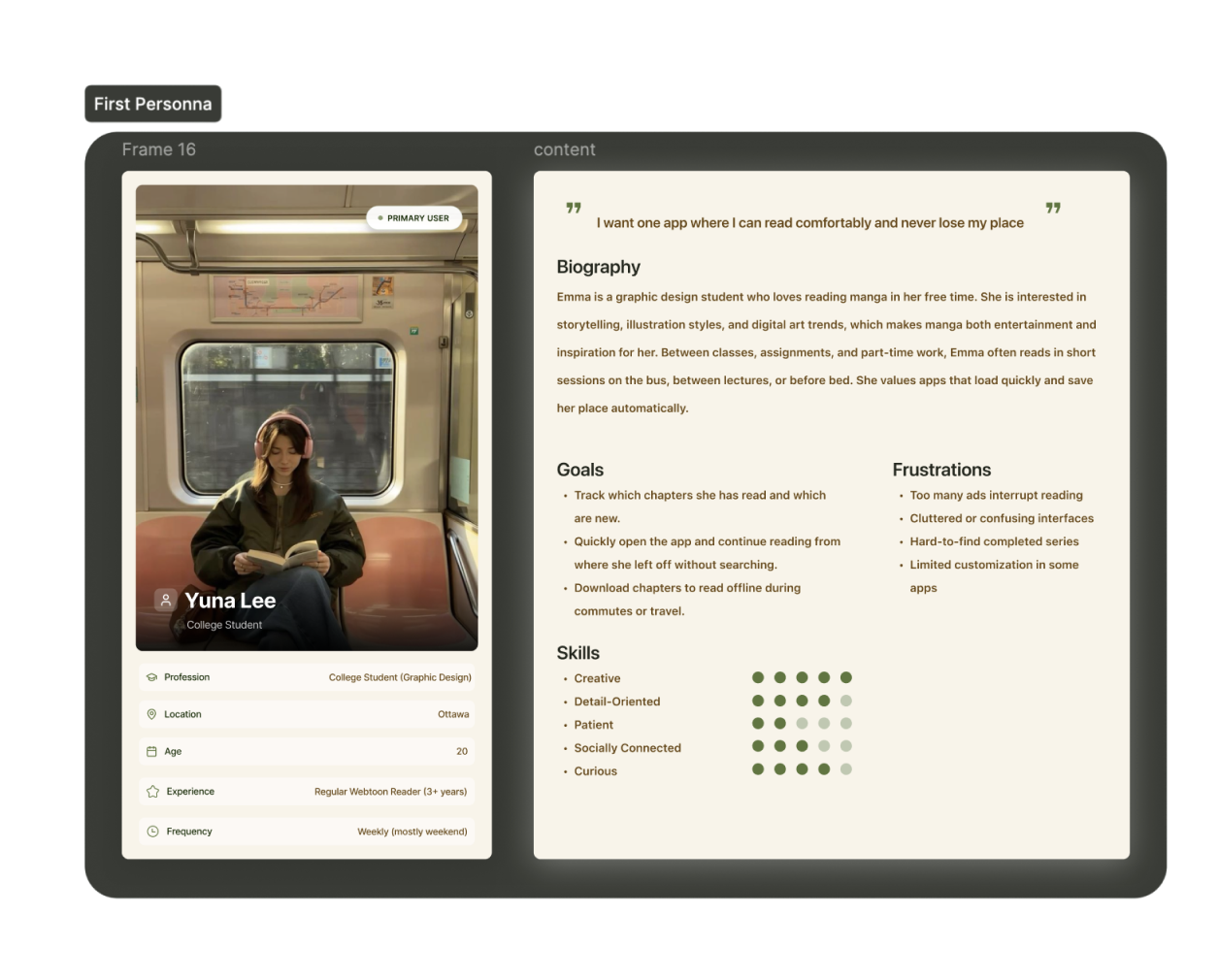
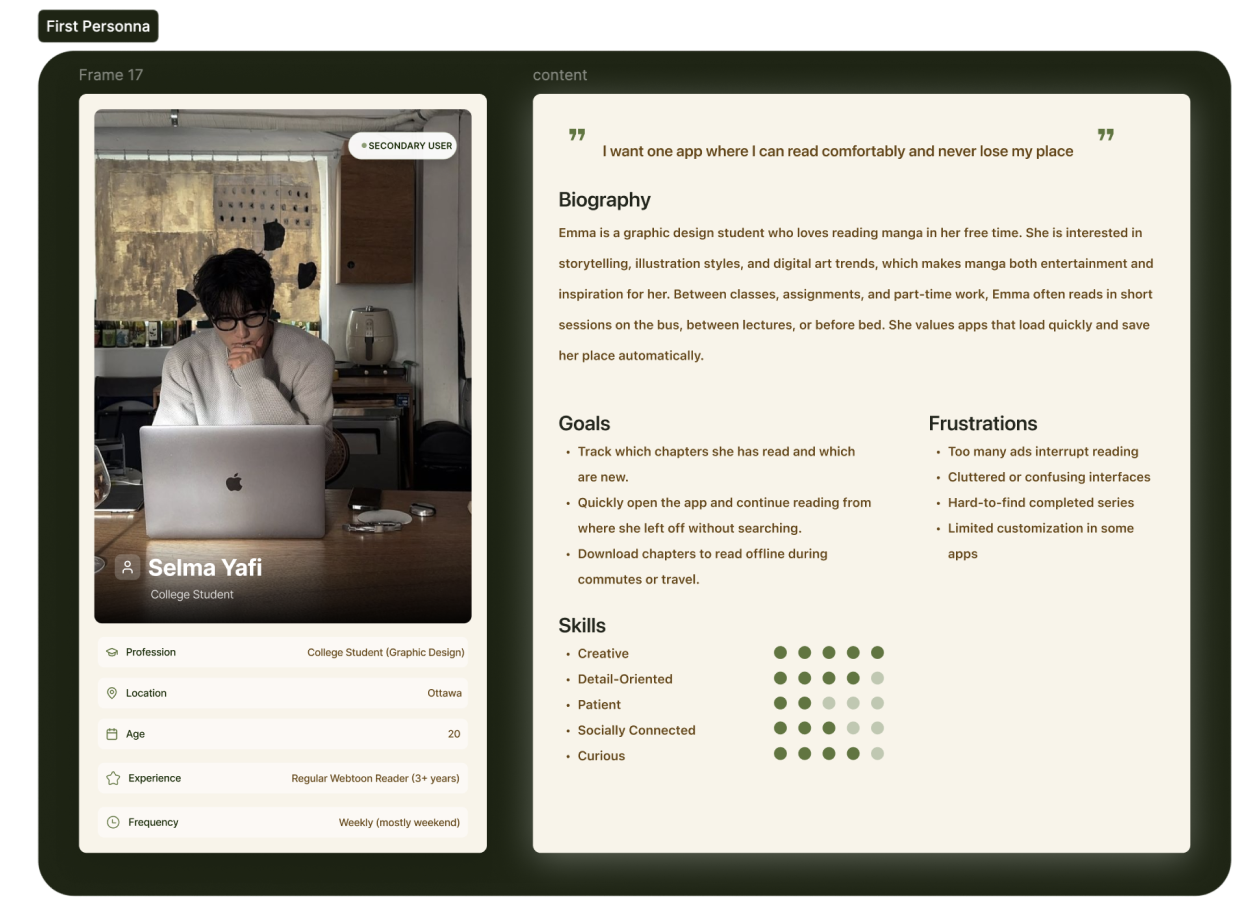
Personas
Yuna and Selma came directly from the interviews not from templates. Yuna wants to find the right comic without effort. Selma wants to know her audience is real. I kept both of them open the entire time I was designing.
Information Architecture
The mode-switching model was the most important structural decision I made on this project. I could have built two separate products but that would have destroyed the network effect that makes a platform like this valuable. Instead, one shared infrastructure with two completely different surfaces on top. The IA had to solve for both users without either one feeling like they were in the wrong place.

Impact
10
User interviews completed
2
User types, one platform
3
Platforms analysed
Built the mode-switching IA the hardest structural decision on the project, and the one that made everything else possible.
Completed 10 interviews before any design work began and I mean zero assumptions going in. Everything came from what users actually said.
Identified the gap no platform was filling: discovery and creator analytics together, in one coherent product. That gap is why ChayToon needed to exist.
Took the whole thing from wireframe to interactive prototype complete and ready for the next round of usability testing.
Reflection
What ChayToon actually taught me: when you have two user types on one platform, the temptation is to find a compromise. I learned that's the wrong move. The mode-switching model didn't come from splitting the difference it came from the interviews making it completely obvious that any single unified flow would fail both users. The research didn't just tell me what to build. It told me why I couldn't take the easy path.
Zero assumptions is a discipline: I made a rule 10 interviews before Figma. Every time I felt the urge to just start designing, I didn't. That rule is why the IA actually worked.
Two-sided platforms need two mental models: If I'd started with a single flow and tried to make it work for both users, I would have made something mediocre for everyone. The research made that impossible to ignore.
Discovery is a design problem: When your users go to a completely different platform to do the core thing your app should do, that's not their fault. That's yours. Every reader going to Reddit was a design failure I could design my way out of.
IA before UI, always: I built the full sitemap before touching a single screen and I could feel the difference. Every wireframe decision was deliberate. I wasn't figuring out the structure. I already knew it.